
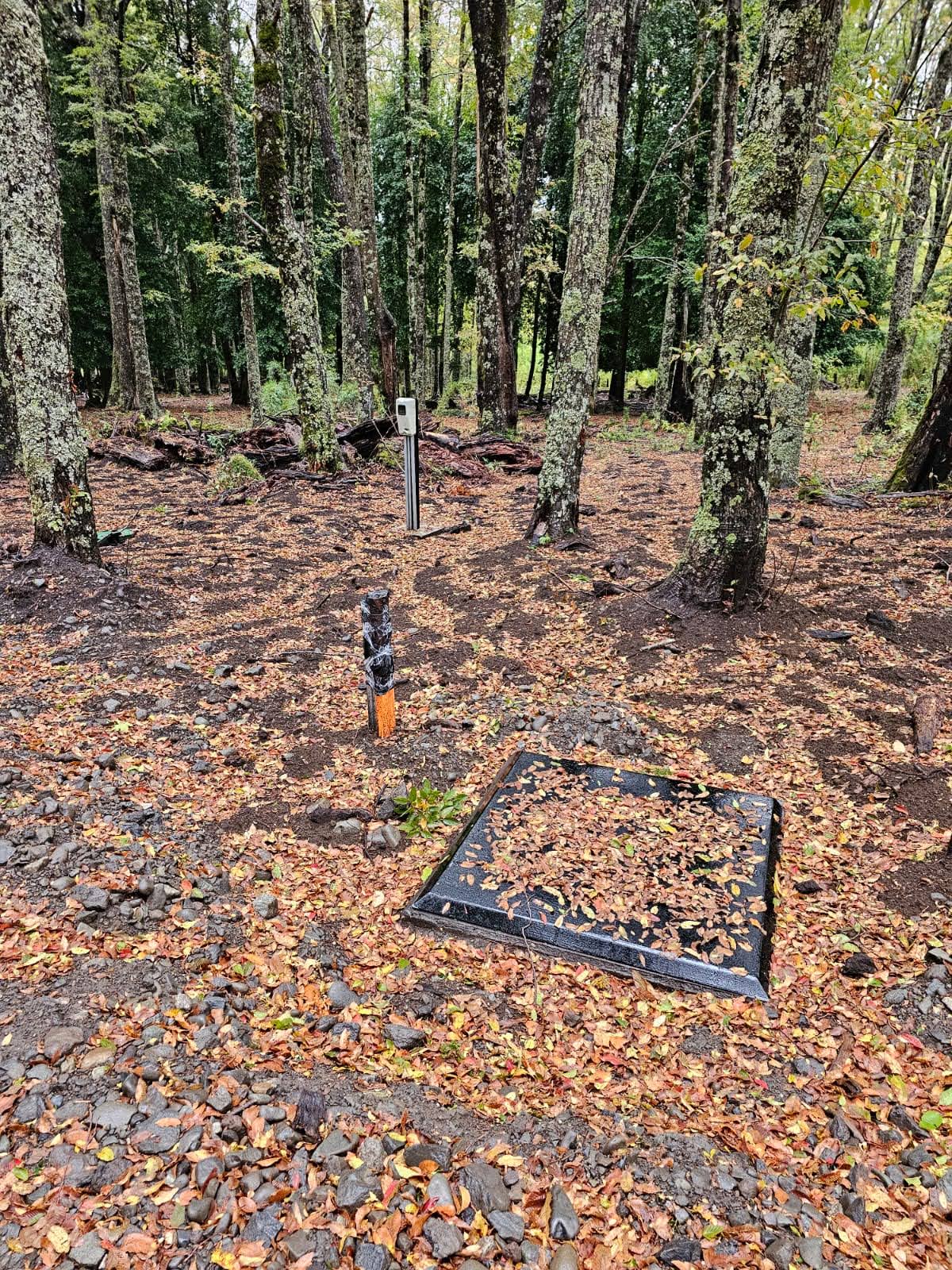
Land that looks "cheap" near Puerto Varas can look different once access, services, approvals and real timelines are added. Feasibility is regulatory—and, just as importantly, economic.
This article builds on our analysis of appreciation on rural land near town, where we looked at what can add value and how to read the town's growth. Here the focus shifts: what it truly costs to put land into use, and whether the numbers work.
Beyond the purchase price
List price is only the first line of analysis. Preparing rural land near town means rigorously estimating access and connectivity works, extension or availability of basic services (water, power, sewer or alternative systems), municipal approvals, preliminary studies, urbanization or subdivision where applicable, and realistic approval timelines—which rarely match the seller's estimate.
Costs to break down before making an offer
- Access and connectivity: road improvements, easements and road connections.
- Services: network extensions, feasibility certificates, on-site solutions and maintenance.
- Permitting: permits, completion certificates, subdivision and change of use where applicable.
- Preliminary studies: soils, sanitary feasibility, topography and environmental impact where applicable.
- Urbanization or subdivision: works, professionals, inspection and municipal timelines.
- Contingency: typical overruns on rural works and administrative delays.
Economic feasibility: from compliant on paper to viable in practice
Land can comply with regulation and still be unviable if the cost to service it exceeds what the market will pay for the finished asset. That is why we set list price against a site preparation cost schedule: what must be invested, at what stage, with what overrun risk and what exit value is supported by local comps—rather than optimistic projections.
The useful question moves from "can it be done?" to "do the numbers work?". That means adding purchase price, site preparation costs and approval time, then comparing the total with a conservative sale or use scenario.
When to move forward with clarity
- Your objective is clear: primary home, long-term hold or a project with a defined use.
- The land has zoning, access and verifiable local comps behind it.
- You have weighed purchase price, site preparation costs and exit value—beyond the listing.
- You have identified overrun, delay and exit liquidity risks before negotiating.
If you need to define a zone and framework before evaluating numbers, the Diagnostic is the starting point. If you already have land in view and want to test highest and best use, regulation and value scenarios including costs, a property potential study deepens feasibility with local evidence.