
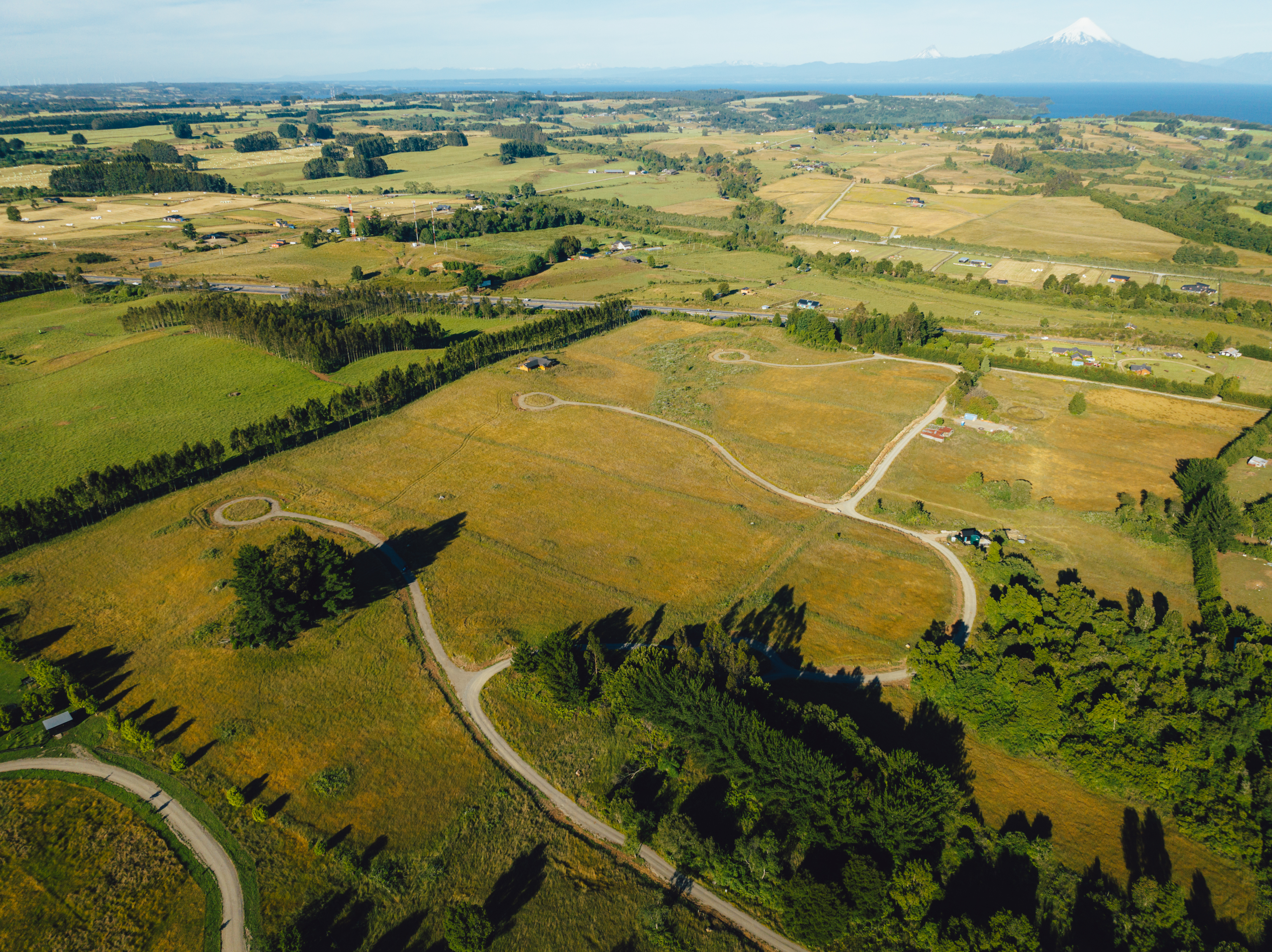
Define the intended use of the land
Start by defining the use: permanent home, second home, cabins, retail, long-term hold, or another project. That objective shapes which zones, services, zoning, and types of land make sense.
Raising a family near town, opening a roadside café, and holding land for the long term each call for a different property. A defined use gives you a clear framework to evaluate every listing.
Living and quality of life
Prioritize rural land near town with reasonable access to services, schools, and town. Remote countryside typically adds daily time and logistics.
Tourism or cabins
Look for sector demand, an attractive setting, and land where covenants and zoning support accommodation use.
Investment or retail
Evaluate comparable sales, appreciation near town or cash flow, and land-use limits before committing to a view.
Set your purchase budget range
Define a clear purchase range—minimum to maximum—rather than a single aspirational figure. That keeps your search focused on land within your real capacity.
Treat the land price and post-purchase site preparation as separate budgets. A low listing price can leave little margin for the project.
- Work with a range rather than a single rigid ceiling.
- Include a reserve for fees, taxes, and contingencies.
- If you need financing, confirm with your bank which property types it will lend on in that sector.
Learn the local names of your target sectors
"Something near Puerto Varas" is a good starting point; local sector names give your search precision. Learn them: Ensenada, Los Pellines, Puerto Octay, Frutillar Bajo, rural land near Llanquihue, and so on.
With specific names, you can request options from agencies, brokers, or Land Advisors—and compare land that is genuinely comparable.
- Note 2–4 sectors you like and 1–2 you rule out.
- Ask for real drive times to town—map kilometers tell only part of the story.
- Check whether the sector is rural land near town (connected to services) or remote countryside.
Set your site preparation budget
Site preparation covers everything after purchase: access, power, water, internet, earthworks, studies, and timelines. That budget matters as much as the listing price.
A clear margin for site preparation keeps the project moving—and protects you from land that sits idle for years or requires unplanned spending.
- List what land in your target sectors typically lacks.
- Request local order-of-magnitude costs rather than Santiago quotes.
- Purchase price + site preparation = the real cost of entering the project.
Define the infrastructure the land needs
Decide the minimum infrastructure you will accept: mains water or well, power, sewer or septic, reliable internet, and an all-weather road. What "should already be in place" depends on your use and site preparation budget.
The higher your standard for ready services, the narrower the supply—and the more predictable the entry cost.
- Permanent home: prioritize reliable year-round services.
- Second home or tourism: more site preparation may be acceptable when the setting justifies it.
- Retail: confirm service feasibility and zoning, beyond the utility meter.
Engage agencies, brokers, or Land Advisors with your brief
Once you have defined use, budget, sectors, site preparation, and infrastructure level, seek guidance with a clear framework. Arriving with that brief changes the conversation: the options you receive are selected for fit rather than appearance.
You can work with agencies or brokers, who present their inventory, and/or with Land Advisors, an independent advisory firm that evaluates and compares options against your objective.
- Share your criteria brief at first contact.
- Request several options that meet the essentials, rather than a single favorite.
- For a structured method and a comparative report, the natural next step is Personalized Search.
The variables that shape your decision
Among land that already meets the essentials, compare according to your objective. The priorities for living differ from those for a commercial project or an investment.
For living
Real connectivity
Actual distance and drive time to town, the airport, supermarkets, schools, and healthcare. What matters is the drive on a rainy day—beyond what the map suggests.
Subdivision covenants
In subdivisions, covenants define what you can build, permitted uses, heights, and community rules. Review them before making an offer—ideally before choosing a lot.
Access quality
Public or registered road, winter condition, gradient, and maintenance. Reliable access supports daily life and long-term resale value.
For commercial projects or investment
Traffic and visibility
For a commercial project, route visibility and traffic matter as much as square meters. A site sustains itself on compatible traffic—the view alone is rarely enough.
Attractions, views, and setting
In tourism projects, proximity to attractions, view quality, and setting drive occupancy and rates. Evaluate the low season as well as summer.
Price vs. market
For investment, compare entry price against sector comparable sales. Good land at market price often outperforms "cheap" land with hidden costs.
Land use and zoning
Use limits, zoning, planning rules, and property restrictions can rule out cabins, retail, or higher density. Verify them before projecting returns.